In the history of twentieth-century literature, certain works transcend the boundaries of genre and age to become global phenomena. The Little Prince is a representative example. First published in 1943, the book was swiftly embraced by readers and has since been translated into hundreds of languages, becoming one of the most widely read works in the world. Although it is often classified as children’s literature, The Little Prince simultaneously possesses a symbolic structure and philosophical depth that have led to its study and analysis across various disciplines, including literary studies, education, and moral philosophy.
The work constructs an apparently simple narrative about the journey of a boy from a distant asteroid; yet beneath its lucid and unadorned language lies a subtle system of allegories concerning love, responsibility, loneliness, and the alienation of modern life. It is precisely this synthesis of gentle storytelling and rich thematic resonance that has sustained The Little Prince for more than eight decades.
1. Overview of the Author and The Little Prince
1.1 The Author – Antoine de Saint-Exupéry
Antoine de Saint-Exupéry was born on June 29, 1900, in Lyon, France, into an aristocratic family with a long-standing lineage that was no longer wealthy. His father died when he was still young; consequently, his childhood was marked by absence and the instability of family life. However, from an early age, Saint-Exupéry showed a particular passion for engineering and the sky. At the age of twelve, he had the opportunity to take his first flight – an experience that marked the beginning of his lifelong attachment to aviation.
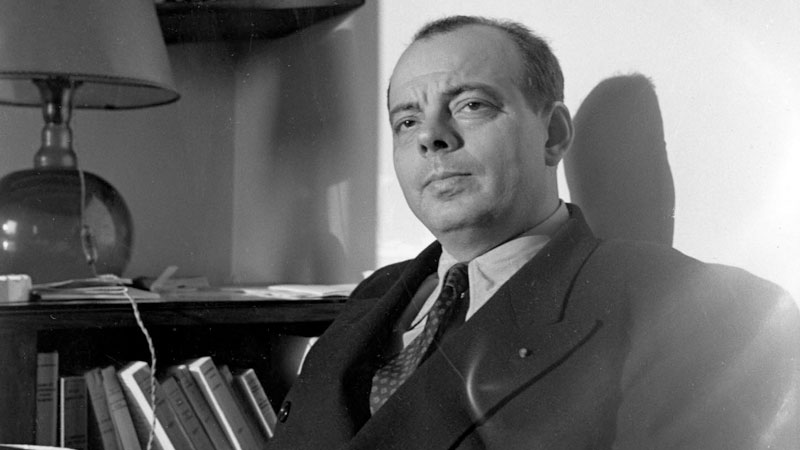
After completing his military service in the French Air Force, he became a civil pilot, transporting mail for Aéropostale – one of the pioneering companies that opened long-distance air routes connecting Europe with Africa and South America. This work was fraught with danger, demanding endurance in the face of harsh weather conditions, challenging terrain, and isolation. It was within this environment that he developed his reflections on responsibility, comradeship, and the fragility of human life before the vastness of nature.
In 1935, during a flight from Paris to Saigon, he suffered an accident and crashed in the Sahara Desert. Saint-Exupéry and his mechanic survived for several days amid the scorching sands before being rescued. This experience left a profound mark on his writing, particularly in the image of the desert and the fateful encounter between the pilot and the boy in The Little Prince.
During World War II, although he was no longer young and his health had declined due to multiple previous injuries, he volunteered to join the Free French Air Force as a reconnaissance pilot. On July 31, 1944, he took off from the island of Corsica on a reconnaissance mission and never returned. Decades later, fragments of his aircraft were discovered beneath the Mediterranean Sea, confirming the sacrifice of a writer–pilot who had devoted his life to the sky.
Saint-Exupéry’s life cannot be separated from his literary work. For him, aviation was not merely a profession but also a philosophical space where human beings confront loneliness, responsibility, and their own limitations.
1.2 Literary Career
Before The Little Prince was written, Saint-Exupéry had already established his position in French literature with works deeply rooted in aviation experiences and humanistic reflection.
- Courrier Sud (Southern Mail, 1929) reflects his early days as a mail pilot.
- Vol de nuit (Night Flight, 1931) explores the discipline and sense of responsibility of pilots flying under dangerous conditions; this work earned him the Prix Femina.
- Terre des hommes (Wind, Sand and Stars, 1939) is a collection of essays and memoirs combined with philosophical reflection on comradeship and human dignity; it was awarded a major prize by the Académie française.
Saint-Exupéry’s writing does not focus on complex plots but rather on moral and philosophical depth. He was concerned with the question: what constitutes the value of a human being in a vast and harsh world? This line of thought is distilled and expressed in its most refined form in The Little Prince.
1.3 The Creation of The Little Prince
The Little Prince was written during Saint-Exupéry’s exile in the United States after France fell to Nazi Germany. The work was first published in 1943 in New York, in both French and English. Notably, the illustrations in the book were drawn by the author himself, in a simple, almost childlike style that aligns with the spirit of the story.
The wartime context clearly influenced the atmosphere of the work. At that time, the world was immersed in violence, division, and a crisis of faith. In such circumstances, The Little Prince does not directly address war; instead, it raises more fundamental issues: human loneliness, the breakdown of communication between individuals, and the need to rediscover the true meaning of love.
Many details in the story are autobiographical: the image of a pilot crashing in the desert, isolation in an infinite space, and the sense of conversing with a pure being representing the childlike part within every human being. The Little Prince may be regarded as Saint-Exupéry’s spiritual testament, in which he crystallized personal experience, philosophical reflection, and the aspiration for reconciliation between human beings and themselves.
Since its publication, The Little Prince has been translated into more than 300 languages and dialects, becoming one of the most translated books in the world. The work is not only read within the realm of children’s literature but is also studied in various fields.
2. Summary of the Plot of The Little Prince
The Little Prince is constructed through two interwoven narrative lines: the survival journey of a pilot in the Sahara Desert and the interplanetary travels of the Little Prince. These two lines intersect at a particular point – where reality and symbolism merge, creating the philosophical depth of the work.
2.1. The Beginning: The Drawing and the “Misunderstanding” Between Children and Adults
The narrator, who refers to himself as “I” – a pilot – opens the story with a childhood memory. When he was young, he drew a picture of a boa constrictor swallowing an elephant, based on an illustration in a book about the jungle. However, adults saw only “a hat.” They advised him to give up drawing and focus on “practical” subjects such as geography, history, and arithmetic.
This detail is not merely a personal recollection but establishes the foundation of the entire work: the difference in the way children and adults perceive the world. Children see through intuition and imagination; adults see through habit and prejudice. This “misunderstanding” becomes one of the central thematic axes throughout The Little Prince.
Later, the narrator becomes a pilot. He notes that he truly feels at ease only when he meets people who have retained some degree of their childhood imagination.
2.2. The Crash in the Desert and the Fateful Encounter
The story shifts to the present: during a solo flight across the Sahara Desert, the pilot’s aircraft suffers a mechanical failure and is forced to make an emergency landing. There are no passengers, no mechanic, and no communication. He has enough water for only a few days.
Amid the vast expanse of burning sand and the threat of death from dehydration, he is unexpectedly awakened by a gentle voice:
“Please… draw me a sheep.”
This is the first appearance of the Little Prince. He does not seem frightened by the dangerous circumstances, nor does he ask about the crash. His only request is for a drawing of a sheep – a seemingly simple detail that reveals how differently he views the world from adults.
After several unsuccessful attempts, the pilot draws a box and says that the sheep is inside it. The Little Prince is immediately satisfied. From this point on, the relationship between the two characters gradually develops through conversations that last eight days in the desert.
2.3. Planet B-612 and the Story of the Rose
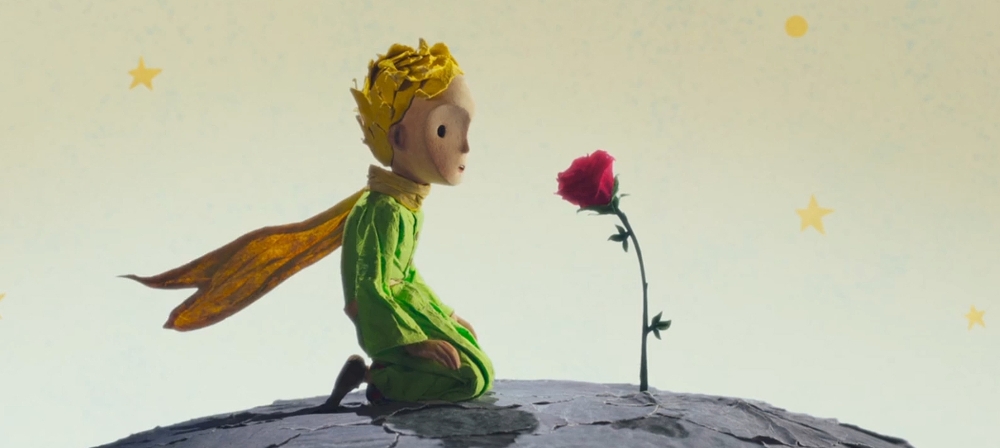
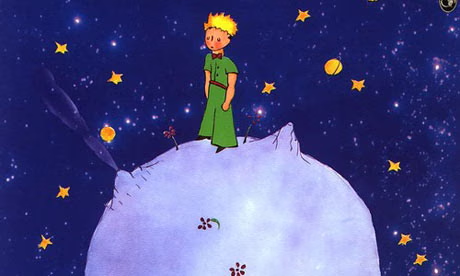
Through the Little Prince’s account, the reader learns that he comes from a very small asteroid, designated B-612. This planet is only the size of a house, with three volcanoes (two active, one extinct) and dangerous baobab seeds that could crack the planet apart if not uprooted in time.
The detail of the baobabs carries a clear allegorical meaning: negative seeds, if not dealt with early, can destroy an entire small world.
On this planet, the Little Prince cares for a special rose. The rose is vain, demanding, and easily hurt. Although he loves her, he fails to understand her fragile and sensitive nature. Her contradictory words confuse him. In his immaturity, he decides to leave his planet to explore the universe, without realizing that love requires understanding rather than reasoning.
2.4. Journey Across the Asteroids – A Miniature Portrait of Adult Society
Before arriving on Earth, the Little Prince visits six asteroids, each inhabited by a single resident. Each character represents a type of adult with a closed system of values:
- The King – who claims to rule over everything but in reality issues only “reasonable” orders to avoid resistance.
- The Vain Man – who desires only admiration and exists through the gaze of others.
- The Drunkard – who drinks to forget the shame of drinking; a cycle of avoidance.
- The Businessman – who counts the stars and claims to “own” them simply because he has recorded them in his ledger.
- The Lamplighter – who remains faithful to outdated orders despite changed conditions, becoming a symbol of mechanical routine.
- The Geographer – who records the world but never explores it directly; knowledge detached from experience.
This sequence of planets forms a subtle system of critique. Saint-Exupéry does not employ harsh satire; instead, he allows the absurdity to reveal itself through dialogue. The Little Prince listens, asks questions, and then departs with a simple observation: “Grown-ups are certainly very strange.”
2.5. Arrival on Earth: Disillusionment and the Discovery of “Uniqueness”
Upon setting foot on Earth – the most populous planet – the Little Prince experiences a cognitive shock. He discovers a garden full of roses identical to his own. This realization causes him pain: if there are thousands of such roses, is his rose still “unique”?
At that moment, the Little Prince feels that he is not as rich as he once believed.
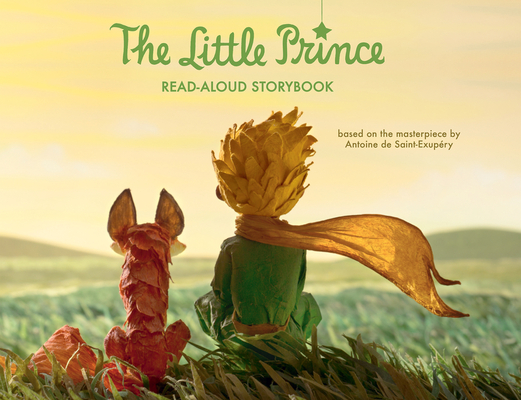
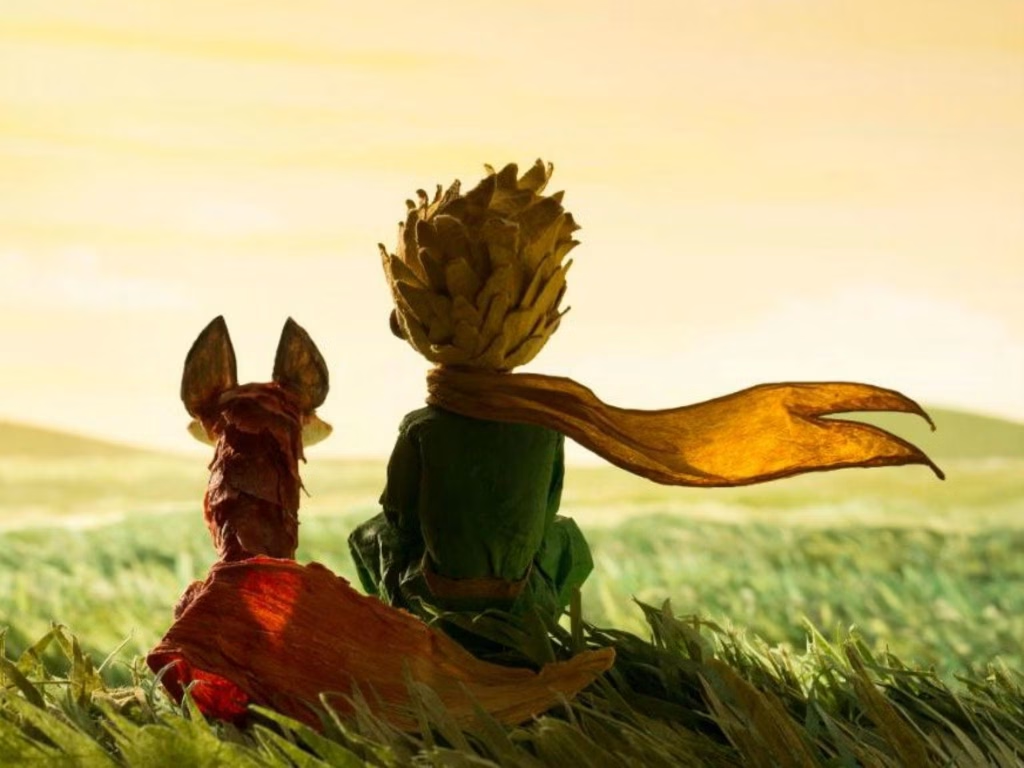
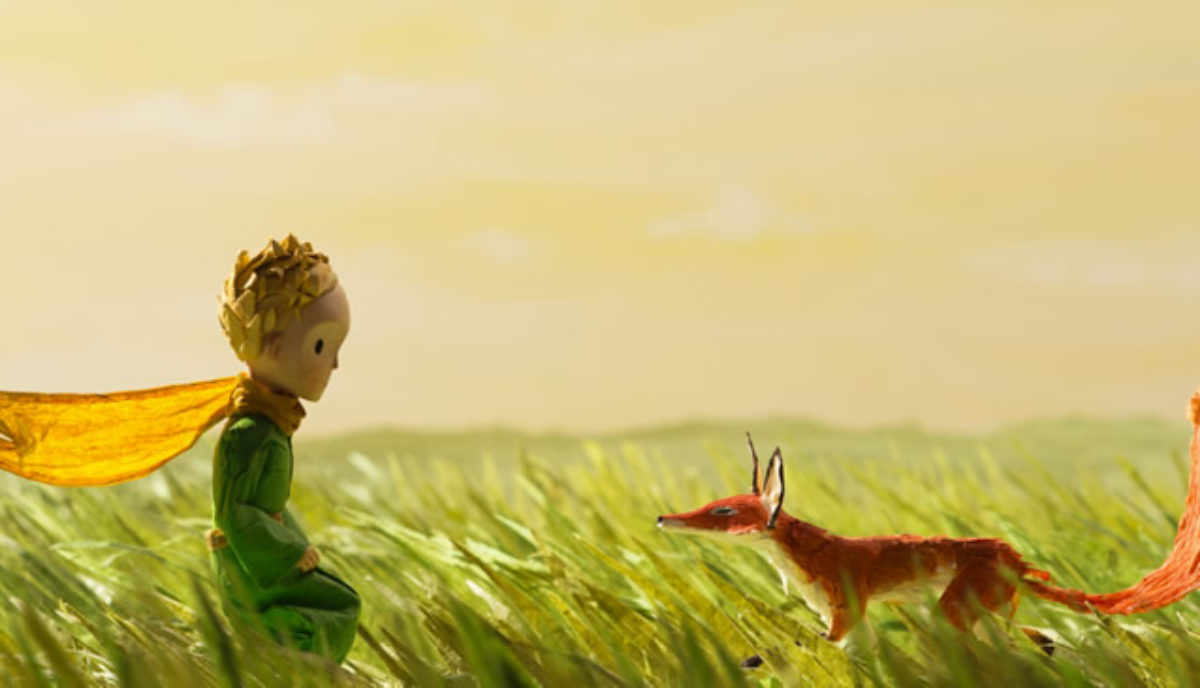
The turning point occurs when he meets the fox. The fox asks to be “tamed” – a central concept in the work. According to the fox, to tame means to create ties. Once two beings have tamed one another, they become unique to each other in the entire world.
The fox teaches him that:
- Value comes from time and care.
- Responsibility is the inevitable consequence of love.
- What is essential cannot be seen with the eyes.
After parting from the fox, the Little Prince understands that his rose is unique not because of her appearance, but because of the relationship he has built with her.
2.6. The Decision to Return and the Open Ending
Parallel to the Little Prince’s story, the pilot is struggling to repair his aircraft and is running out of water. Eventually, he and the boy find a well in the desert – a symbolic detail representing life and hope.
The Little Prince realizes that it is time to return to his planet. However, his body is “too heavy” to carry with him. He turns to the desert snake – a creature capable of “releasing” the soul with a single bite.
The farewell scene unfolds quietly. The Little Prince allows the snake to bite him and falls onto the sand. The next morning, the pilot no longer sees his body.
The work concludes with the pilot being rescued and returning to ordinary life. Nevertheless, he continues to look up at the sky and wonders whether the Little Prince’s rose is still safe. That question remains unanswered, leaving an open ending – where faith and memory are the only things that can be preserved.
3. Thematic Values and Distinctive Features Behind the Success of The Little Prince
If the plot of The Little Prince unfolds as a journey, the true value of the work lies in the system of ideas developed throughout that journey. Beneath the surface of what appears to be a simple narrative, The Little Prince raises fundamental issues of modern human existence: loneliness, responsibility, love, maturity, and the risk of losing one’s spiritual essence in a utilitarian society.

3.1. Thematic Value – A Treatise on the Nature of Love and Responsibility
1. A Critique of the Adult World Through Allegory
One of the most remarkable values of The Little Prince is its ability to critique society without employing a tone of direct condemnation. The six asteroids visited by the Little Prince form a miniature model of the adult world. Each character is not merely an individual figure but a symbol of a particular mindset:
- The King represents the illusion of power.
- The Vain Man represents dependence on the gaze of others.
- The Businessman symbolizes possessiveness and quantitative thinking.
- The Geographer reflects knowledge detached from reality.
It is noteworthy that these characters are not constructed as “villains.” They are simply trapped within their own closed systems of values. Through this, the work suggests that alienation does not always stem from malice, but often from habit and prejudice.
This critique is not overtly political; however, in the context of World War II – when the book was published – it evokes a profound reflection on a civilization driven by power, fame, and self-interest.
2. The Concept of “Taming” – The Intellectual Core of the Work
The encounter between the Little Prince and the fox represents the philosophical climax of the work. “Taming” does not imply domination or control, but rather the process of forming a bond between two free beings.
Here, Saint-Exupéry proposes a conception of love:
- To love is not to possess.
- To love is not to seek perfection.
- To love is to invest time, patience, and to accept responsibility.
The statement, “You become responsible, forever, for what you have tamed,” shifts the focus from emotion to moral obligation. In the worldview of The Little Prince, love is not merely an inner experience but a lasting commitment.
This concept also explains why the Little Prince’s rose becomes “unique.” Uniqueness does not arise from objective characteristics, but from the relationship that has been built. Value, therefore, lies not in the object itself, but in the depth of the bond.
3. The Idea of Maturity
The Little Prince does not advocate rejecting adulthood. The work suggests that the problem does not lie in growing up, but in losing the ability to perceive what is essential.
The image of the drawing of a boa constrictor swallowing an elephant – which adults interpret as a hat – serves as an allegory for the narrowing of imagination. Adults prioritize data, appearances, and practicality; children prioritize meaning and intuition.
However, the pilot – an adult – gradually recovers his ability to see the world with the heart through his encounter with the Little Prince. This indicates that the work does not place children and adults at two absolutely opposing poles, but rather opens the possibility of reconciliation between reason and emotion.
4. Loneliness and the Longing for Connection
The desert – the central setting of the story – is a symbol of existential loneliness. Both the pilot and the Little Prince experience isolation: one is stranded amid burning sands, the other has left behind his tiny planet.
In a vast world, human beings do not truly yearn to possess, but to be understood and to be connected. The work may therefore be read as a treatise on the need for connection – a theme that remains relevant in modern society, where communication increases but genuine understanding diminishes.
3.2. Artistic Value – Minimalism Elevated to Symbolism
From a formal perspective, The Little Prince employs simple language, short sentences, and compact chapter structures. Yet it is precisely this minimalism that enables its system of symbols to function powerfully.
1. The Journey Structure – A Model of the Modern Allegory
The work is constructed according to the model of “travel through different worlds” – a familiar structure in allegorical literature. However, instead of focusing on dramatic events, each stop becomes an intellectual space.
The repetition of encounters creates a steady rhythm while allowing readers to recognize the universality of the issues presented. This structure is more philosophical than adventurous.
2. A Multi-layered System of Symbols
The Little Prince possesses a coherent system of symbols capable of multiple interpretations:
- The Rose: love that is both proud and fragile.
- The Baobabs: negative seeds that can destroy if not controlled.
- The Snake: death as transformation.
- The Well in the Desert: life and meaning hidden within harshness.
- The Stars: memory and faith beyond the limits of the visible.
Notably, these symbols are not confined to a single fixed interpretation. They open interpretive space for readers of different ages.
3. Illustrations and the Unity of Image and Language
The illustrations in The Little Prince were created by Saint-Exupéry himself. The simple, almost childlike drawings create harmony with the narrative voice. The illustrations do not merely serve a decorative function but reinforce the symbolic layer – such as the image of the boa constrictor, the rose, or the Little Prince standing in the desert.
The combination of text and image forms a unified artistic whole, rarely seen in many works of the same period.
3.3. The Role and Position of The Little Prince in World Literature
Since its publication in 1943, The Little Prince has been translated into more than 300 languages and dialects, becoming one of the most translated books worldwide. The work transcends national and cultural boundaries because it does not depend on a specific historical context, but is grounded in universal questions.
Within the framework of twentieth-century literature, The Little Prince may be regarded as a work that combines children’s fiction, existential philosophy, and moral allegory. This multi-layered quality allows it to be received on various levels:
- Children read it as an adventure story.
- Adolescents read it as a journey of maturation.
- Adults read it as a self-examination of life’s values.
It is precisely this adaptability across levels of consciousness that has enabled The Little Prince to sustain its vitality, without being confined to the realm of children’s literature.
The value of The Little Prince does not lie in its length or in a complex structure, but in the depth of thought expressed through minimalist form. The work demonstrates that the greatest human concerns – love, responsibility, loneliness, maturity – can be articulated in the clearest language.
To read The Little Prince is not merely to follow a story, but to engage in a process of reflection. It is this process that has elevated the book into a timeless literary symbol, continuing to be studied, cited, and read by generations of readers around the world.
4. Reconsidering The Little Prince from the Perspective of Life Values
Within the overall structure of The Little Prince, what creates its lasting resonance lies not only in the plot or the system of symbols, but in the work’s ability to compel readers to engage in dialogue with themselves. This is not a book that offers direct advice or constructs a complete moral system; instead, it opens a reflective space in which every detail can become a question about life.
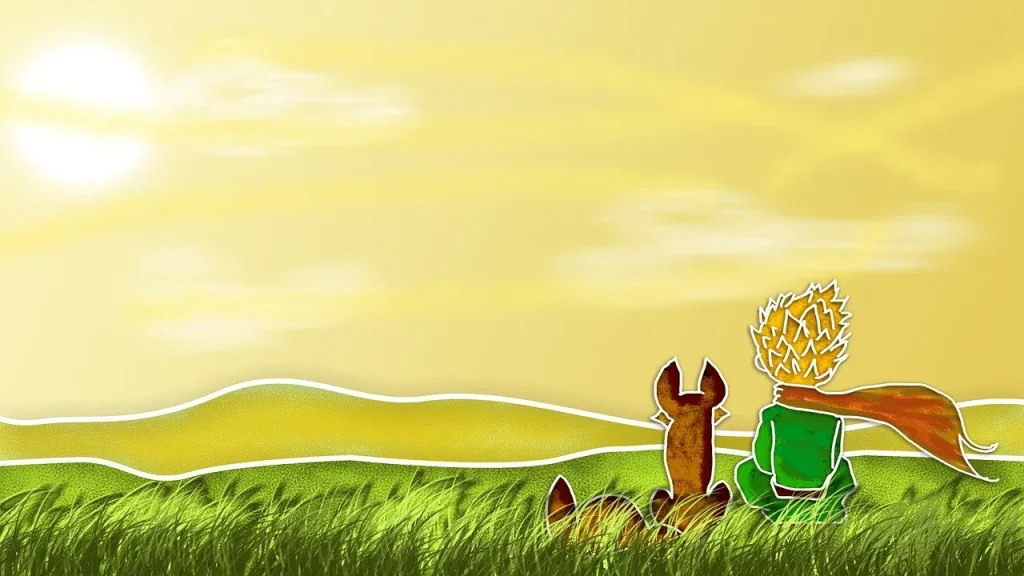
4.1. A “Thin” Work That Is Far from Simple
In terms of form, The Little Prince is short in length, simple in language, and organized into compact chapters. However, the more closely one reads, the more one recognizes the remarkable condensation in its organization of meaning. Each chapter almost functions as a short essay in narrative form. No detail is entirely superfluous; every character that appears carries a clear symbolic function.
It is noteworthy that the work does not rely on dramatic conflict to create appeal. There are no intense climaxes, no unexpected twists in the manner of adventure novels. Its attraction derives from a slow narrative rhythm and concise dialogues layered with meaning. This restraint creates the necessary pauses for readers to reflect.
From this perspective, The Little Prince may be regarded as a philosophical text disguised as a children’s story.
4.2. Reflections on the Humanistic Depth of the Work
The most striking impression is the way the work redefines the concept of “value.” In the adult world depicted through the asteroids, value is associated with quantity, power, reputation, or possession. By contrast, in the world of the Little Prince, value is linked to relationships and responsibility.
This opposition is not extreme in nature. The work does not entirely deny the role of reason or social order. Rather, it emphasizes the imbalance that occurs when human beings absolutize a single frame of reference. When everything is measured by numbers, the invisible – such as love or loyalty – is easily undervalued.
The concept of “taming” therefore becomes the emotional center of the book. It does not only refer to the friendship between the Little Prince and the fox, but also expands into an ethical principle: every relationship requires time, patience, and commitment. This is a conception of love grounded in responsibility, distinct from a merely romantic imagination.

4.3. Impressions of the Symbolic Structure and the Open Ending
One of the elements that enables The Little Prince to maintain its enduring vitality is the way it concludes. The disappearance of the Little Prince is not fully explained. Readers are not given definite confirmation that he has “died” or “returned.” Instead, there is a void – a space in which belief and memory continue to exist.
This ending carries a distinctly existential tone. It acknowledges the finitude of physical life while simultaneously opening the possibility that meaning may exist beyond material form. In the final passage, the stars are not merely celestial objects but become symbols of memory and faith – things that cannot be measured by ordinary logic.
The polysemous nature of the symbols ensures that each rereading may produce a new interpretation. When young, readers may pay attention to adventure and friendship; as adults, they may recognize the depth of responsibility and loss.
4.4. An Overall Evaluation of Its Lasting Value
From a literary perspective, The Little Prince demonstrates the capacity of minimalist form to convey profound ideas. The work does not rely on length or complex technique, but on precision in the selection of details and consistency in symbolism.
From an educational perspective, the book provides a foundation for discussing ethics, responsibility, and empathy. It does not impose standards, but stimulates self-awareness.
From a personal perspective, The Little Prince may be regarded as an “open text” – one in which readers at different stages of life will discover different layers of meaning. This flexibility prevents the work from being confined to a specific age group.
4.5. Final Assessment of Its Influence
The Little Prince does not leave its mark through scale or dramatic intensity, but through quiet resonance. It does not overwhelm readers, but leads them to reflect long after closing the book.
The balance between innocence and philosophical depth has helped The Little Prince become a literary symbol of the twentieth century. The work shows that the greatest questions about human beings – how to love, how to mature, and what truly matters – can be raised in the gentlest narrative voice.
From an overall evaluative standpoint, The Little Prince is not merely a well-known short narrative, but a text capable of renewal across generations of readers. Its value does not lie in providing definitive answers, but in its ability to sustain an enduring dialogue between human beings and themselves.
5. Impressive Quotations in The Little Prince and the Ideological Value Behind the Words
Within the structure of The Little Prince, the concise dialogues between the Little Prince, the fox, and the pilot do not merely serve a narrative function but also concentrate the core ideas of the work. The language is restrained to a minimalist level, yet each statement opens up a vast interpretative space.
It is noteworthy that the well-known quotations in The Little Prince do not appear as direct “lessons,” but arise naturally within dialogue. For this reason, they do not create a didactic impression, but resemble the outcome of a process of realization.
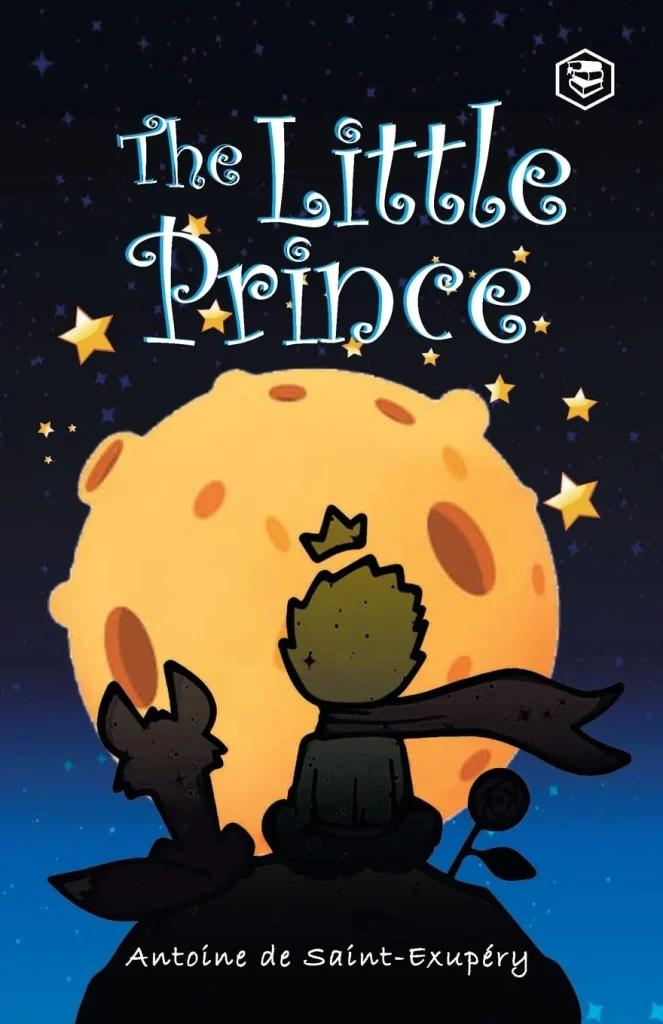
1. “One sees clearly only with the heart. What is essential is invisible to the eye.”
This is the most famous line of the work, spoken by the fox at the moment of farewell. The statement reconsiders the mode of perception: sight – representing reason and surface appearance – is insufficient to grasp essence.
In the context of modern society, where value is often measured by numbers and external form, this line carries profound critical significance. It affirms that the most important things – love, loyalty, responsibility – cannot be quantified or evaluated by material standards.
2. “You become responsible, forever, for what you have tamed.”
This line constitutes the ethical center of The Little Prince. “Taming” here does not mean control, but the process of forming a bond.
The significance of the statement lies in the word “forever.” Love, once established, cannot be erased by distance or time. It entails responsibility – not merely emotion.
Within the narrative structure, this line explains why the Little Prince decides to return to his rose. At a deeper level, it emphasizes that every genuine relationship requires enduring commitment.
3. “All grown-ups were once children… but only a few of them remember it.”
This line appears at the very beginning of the work and lays the foundation for the entire system of ideas.
Saint-Exupéry does not deny the necessity of growing up, but he raises the issue of lost memory. When people forget the imaginative and emotional capacity of childhood, they easily fall into rigidity and pragmatism.
The line functions both as a reminder and as a self-questioning: does maturity necessarily mean sacrificing imagination?
4. “It is the time you have wasted for your rose that makes your rose so important.”
Here, value does not derive from the rose’s objective characteristics, but from the process of care and emotional investment.
This line clarifies the concept of “uniqueness” in the work. Uniqueness is not an inherent attribute, but the result of a relationship. It reflects a profound idea: meaning is created through experience and attachment, not through outward distinction.
5. “It is sad to forget a friend.”
This simple statement appears when the Little Prince thinks about the rose and the fox. There is no complex philosophy, yet it touches upon the fear of loss – one of the most universal human experiences.
The brevity of the sentence creates a pause, compelling readers to fill it with their own experiences. It is precisely this restraint that gives it weight.
6. “The stars are beautiful, because of a flower that cannot be seen.”
Here, the stars are not merely natural images but become symbols of memory and belief.
The beauty of the night sky lies not in the stars themselves, but in the meaning that human beings assign to them. This line reinforces the central idea of the work: what is essential often does not lie in visible form, but in invisible connection.
7. “If you come at four in the afternoon, then at three I shall begin to be happy.”
This is what the fox says when explaining ritual and anticipation. Happiness does not lie only in the moment of encounter, but also in the process of waiting.
The line reveals the value of time within relationships. Time is not merely a unit of measurement, but a space in which emotions are formed and developed.
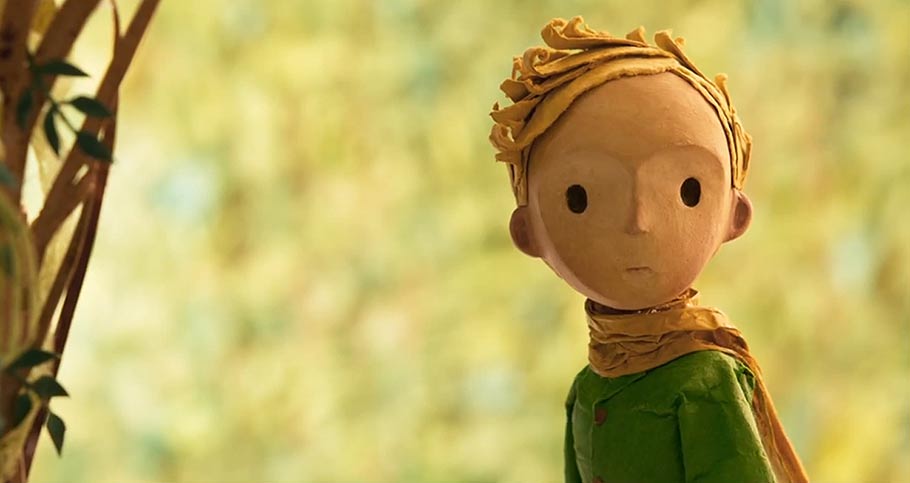
6. Conclusion
The Little Prince is not only a story rich in symbolism, but also a text that reexamines how human beings establish systems of value, perceive responsibility, and define the meaning of relationships. Through the journey of its main character, the work affirms that value does not lie in elements that can be measured or displayed, but is formed through attachment, time, and the depth of experience.
Through a narrative style that is simple yet layered with meaning, the work opens a reflective space on the idea of maturity: growing up does not mean losing imagination or the capacity to feel, but learning to balance reason and empathy. For this reason, the value of the book lies not only in the content of its story, but also in its ability to prompt readers to reconsider how they are living and what they are choosing.
In the modern context, when everything is increasingly quantified by achievement and numbers, do human beings still possess enough awareness to recognize and preserve what is essential – what cannot be seen with the naked eye?