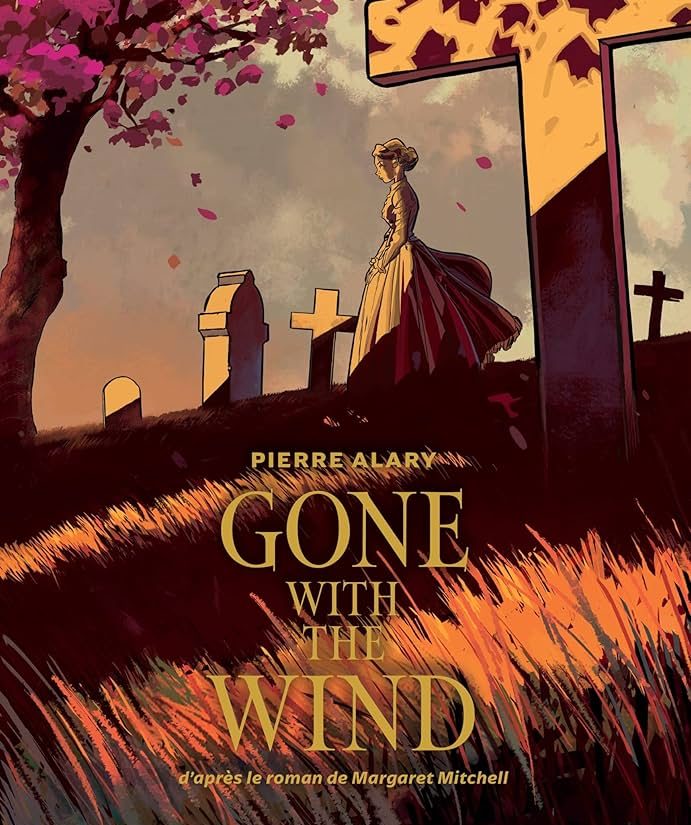
In the history of twentieth-century literature, few novels have achieved both overwhelming commercial success and a lasting canonical status in academic scholarship like Gone with the Wind. Published in 1936, the work not only recreates one of the most turbulent periods in United States history – the Civil War and the Reconstruction era – but also portrays the collapse of a social order and the emergence of a new consciousness of survival. Under the pen of Margaret Mitchell, history does not appear as a rigid sequence of events; instead, it becomes a backdrop against which human nature, ambition, and limitation are fully revealed.
What distinguishes Gone with the Wind. lies in its ability to harmonize historical narrative with psychological fiction. The novel does not merely recount the story of the American South being devastated by war; it also centers on the conflicted coming-of-age journey of Scarlett O’Hara – one of the most complex, controversial, and vividly rendered female characters in modern literature. In this world, war does not simply destroy plantations, cities, or property; it sweeps away illusions and long-standing moral conventions, compelling individuals to redefine concepts such as honor, love, and survival.
It is precisely the intersection between historical tragedy and personal tragedy that creates the distinctive depth of Gone with the Wind.. The novel is not merely a romantic saga; it is an epic of loss and rebirth, of harsh choices made in a time of upheaval – where every decision demands a price, and where human beings can endure only if they possess the resilience to stand firm against the winds of history.
1. An Overview of the Author and the Genesis of Gone with the Wind
The Life of Margaret Mitchell
Margaret Munnerlyn Mitchell was born on November 8, 1900, in Atlanta, Georgia, United States – a region deeply marked by the memory of the American Civil War and the Reconstruction era. Her father, Eugene Muse Mitchell, was a lawyer and amateur historian, while her mother, Mary Isabel Stephens Mitchell, was a progressive woman who participated in the women’s suffrage movement. This family environment provided Mitchell with a solid cultural foundation and a profound interest in Southern history.
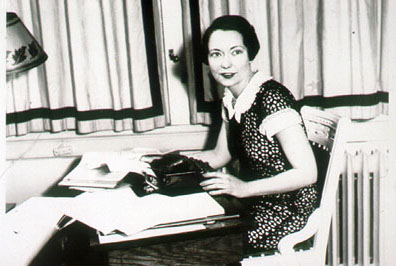
Her childhood was closely associated with oral accounts from veterans and individuals who had lived through the Civil War. These collective memories served not only as historical material but also nourished her imagination about a South that was both elegant and tragic. The death of her mother during the influenza pandemic in 1918 forced Mitchell to suspend her studies at Smith College and return to Atlanta to care for her family – an event that compelled her to confront reality early and mature under the weight of responsibility.
In 1922, Mitchell began working as a reporter for The Atlanta Journal Sunday Magazine. Her journalistic career helped her refine her skills in social observation, dialogue construction, and character portrayal – elements that later became distinctive strengths in Gone with the Wind. However, in 1926, due to a prolonged ankle injury, she was compelled to resign. Her period of convalescence inadvertently became the formative stage for the most significant work of her life.
Mitchell married John Robert Marsh, who played an important role in encouraging and supporting her in completing the manuscript. After the tremendous success of her novel, she lived a relatively private life and passed away in 1949 as a result of a traffic accident in Atlanta.
Literary Career
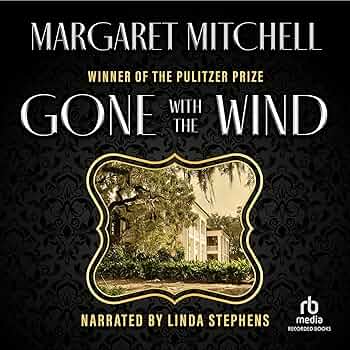
A remarkable aspect of Margaret Mitchell’s literary career is that she published only a single novel during her lifetime – Gone with the Wind 1936. Nevertheless, this one work alone secured her place in the history of American literature.
Immediately after its release in June 1936 by Macmillan Publishers, the book quickly became a publishing phenomenon. In its first year, the novel sold over one million copies – an unprecedented figure at the time. In 1937, Mitchell was awarded the Pulitzer Prize for Fiction, affirming both the artistic merit and the cultural influence of the work.
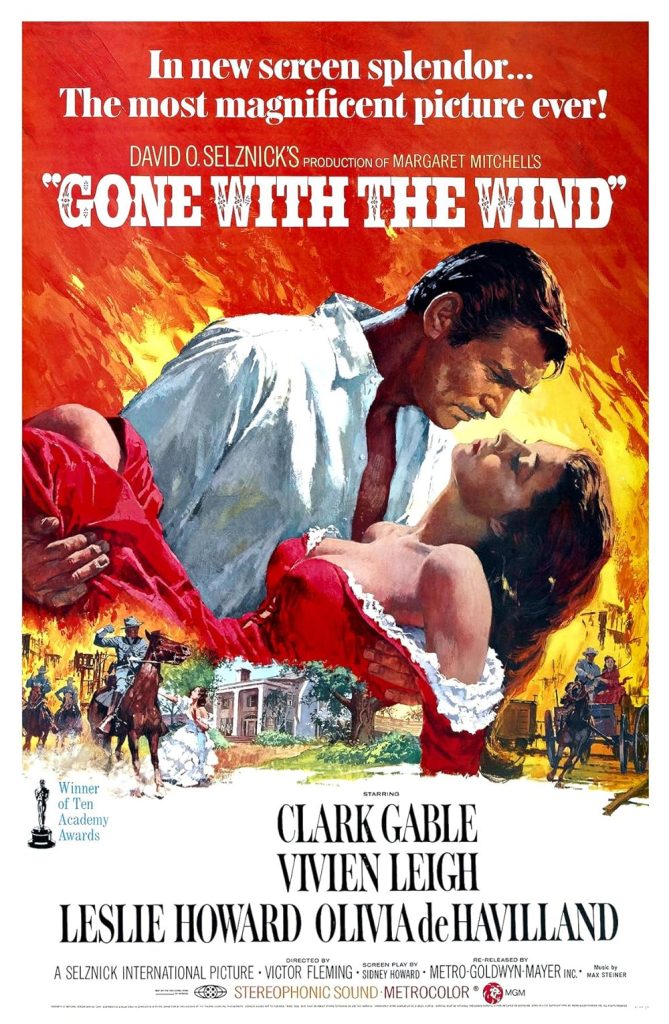
In 1939, the novel was adapted into a feature film of the same title, produced by Selznick International Pictures. The film won eight competitive Academy Awards and contributed to transforming the figures of Scarlett O’Hara and Rhett Butler into global cultural icons. The success of the cinematic adaptation further solidified the novel’s canonical status in popular culture.
The Creation of Gone with the Wind
The writing process of Gone with the Wind spanned nearly a decade, from the mid-1920s to the mid-1930s. Mitchell did not compose the novel in a linear sequence. She began with the final chapter – where Scarlett declares, “Tomorrow is another day” – and gradually completed the earlier sections. The original manuscript was stored in numerous separate envelopes, and the protagonist was initially named “Pansy O’Hara” before being changed to Scarlett O’Hara at the editor’s suggestion.
The primary inspiration for the novel derived from the Southern historical memories that Mitchell had heard since childhood. However, she did not construct the work as a purely historical study. Instead, she focused on recreating the worldview of the Southern planter class before and after the Civil War, while also portraying the psychological transformation of individuals as traditional value systems collapsed.
The title Gone with the Wind was taken from a line in the poem “Non Sum Qualis Eram Bonae Sub Regno Cynarae” by the English poet Ernest Dowson, suggesting things that have been “gone with the wind” – a metaphor for an era, a way of life, and illusions that can no longer be preserved.
From the moment of its publication, Gone with the Wind generated scholarly debate, particularly regarding its portrayal of the American South and issues of race. Nevertheless, it is undeniable that the novel marked a significant turning point in American historical fiction, introducing a new approach – one in which grand historical narratives are refracted through individual destinies.
It is precisely the combination of rich historical material, meticulous narrative structure, and incisive psychological analysis that has enabled Gone with the Wind to transcend the framework of a mere romantic story, becoming a cultural phenomenon and a central text in twentieth-century American literary studies.
2. Summary of the Plot of Gone with the Wind – The Tragedy of an Era and Scarlett O’Hara’s Journey of Survival
The setting of Gone with the Wind spans from 1861 – the outbreak of the American Civil War – to the early years of the Reconstruction era in the South. The central spaces of the narrative are the Tara plantation in Clayton County, Georgia, and the city of Atlanta – two locations that symbolize prewar prosperity and the devastation that followed. However, the principal axis of the plot lies not solely in historical upheaval, but in the inner transformation of Scarlett O’Hara – the central character whose life unfolds across more than a decade marked by rupture and loss.

The Antebellum Period – Illusion and Pride
When the story opens, Scarlett O’Hara is the eldest daughter of Gerald O’Hara – owner of the Tara plantation – and Ellen O’Hara – a woman who embodies the aristocratic ideals of the Southern gentry. Scarlett is beautiful, intelligent, and vibrant, yet also selfish, headstrong, and accustomed to indulgence. Her world consists of dances, outdoor festivities, and an unwavering confidence in the permanence of the Southern slaveholding society.
Scarlett falls in love with Ashley Wilkes – a refined gentleman who represents the ideals of the old aristocracy. However, Ashley is engaged to Melanie Hamilton – a gentle, selfless, and loyal woman. When Scarlett confesses her feelings and is rejected, she impulsively marries Charles Hamilton – Melanie’s brother – as an act of emotional retaliation. The marriage is brief, and shortly afterward Charles dies of illness while serving in the army, leaving Scarlett widowed at a very young age.
The Civil War – The Collapse of the Old Order
War rapidly transforms the entire landscape. Young men who enthusiastically march off to battle, confident of an easy victory, gradually return as wounded soldiers or perish on the battlefield. Atlanta – the economic and logistical center of the South – is besieged and eventually burned by Union forces.
During this period, Scarlett moves to Atlanta to live with Melanie and Aunt Pittypat. There she reunites with Rhett Butler – a man regarded by Southern society as cynical and opportunistic, yet in reality possessing a sharp and pragmatic understanding of the war. Rhett does not share illusions of victory; he clearly perceives that the South is moving toward defeat.
When Atlanta descends into chaos, Scarlett assists Melanie in giving birth amid the sound of cannon fire. In one of the most dramatic episodes of the novel, Rhett escorts Scarlett, Melanie, and the newborn child through the burning city back to Tara. This moment marks a fundamental transformation – from a young woman sheltered by privilege, Scarlett begins to confront brutal reality directly.
The Return to Tara – The Oath of Survival
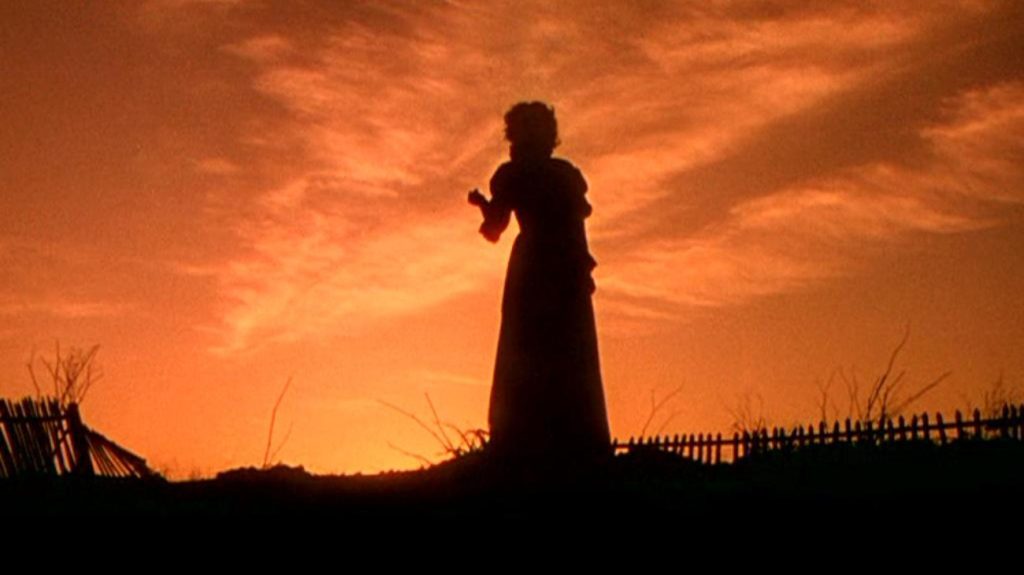
Upon returning to Tara, Scarlett witnesses near total devastation: the plantation abandoned, her mother dead from illness, her father mentally broken, and food supplies exhausted. The climax of this crisis occurs when Scarlett stands in the ravaged fields and vows that she will never again allow herself or her family to suffer from hunger and poverty.
From this point forward, the plot shifts toward survival. Scarlett is forced to work in the fields, search for food herself, and even kill a deserter to protect her family. The war ends, but the economic and political hardships of Reconstruction prove no less severe.
The Reconstruction Era – Pragmatism and Ambition
After the war, the South is placed under Federal control. Rising property taxes threaten the confiscation of Tara. In this situation, Scarlett seeks financial assistance from Rhett Butler but fails. Rather than accept the loss of her land, she makes a controversial decision: she marries Frank Kennedy – her sister’s fiancé – because he owns a store and possesses financial resources.
This marriage enables Scarlett to invest in the lumber business – a sector expanding during the rebuilding of Atlanta. She personally manages the enterprise, negotiates contracts, and endures social criticism for behaving in ways considered improper for a Southern woman. At this stage, Scarlett fully emerges as a pragmatic businesswoman, prioritizing profit and economic stability over social honor.
Frank Kennedy later dies in an act of political violence. Subsequently, Scarlett marries Rhett Butler. Their union arises from mutual attraction, yet it is also marked by profound psychological conflict.
Marriage to Rhett – Passion and Disintegration
Rhett Butler loves Scarlett with understanding. He recognizes her strength and realism, qualities that set her apart from traditional female ideals. However, the fundamental problem is that Scarlett continues to cling to her illusion of Ashley – the man who represents a lost past.
Scarlett and Rhett have a daughter named Bonnie Blue Butler. Bonnie’s birth brings a rare period of happiness to the family. Yet tragedy strikes when Bonnie dies in a horseback riding accident. Her death becomes a devastating emotional shock, deepening the distance between husband and wife.
When Melanie dies, Scarlett finally realizes that she never truly loved Ashley – what she loved was merely the symbol of a vanished South. At the same time, she understands that Rhett is the man she genuinely needs. However, this awakening comes too late. After years of enduring a love that was never fully reciprocated, Rhett decides to leave her.
An Open Ending – Willpower in the Current of History
The novel concludes not with reunion, but with separation. Rhett departs, and Scarlett returns to Tara – the origin of all upheaval. She believes that tomorrow will offer an opportunity to begin again.
This ending is not a romantic consolation, but an affirmation of the character’s essential nature: despite loss, she does not surrender. History has swept away an era and destroyed illusions, yet it cannot extinguish the will to survive.
It is precisely the interweaving of historical upheaval and personal tragedy that gives Gone with the Wind its grand and compelling narrative structure. The novel does not merely recount the story of one woman; it also serves as a chronicle of a society overturned – a world in which each individual is compelled to redefine personal values within the irreversible current of the age.
3. Distinctive Aspects of Gone with the Wind
If considered only at the level of plot, Gone with the Wind may be viewed as a romantic saga set against the backdrop of war. However, the true depth of the work lies in its intellectual structure, its ability to reconstruct history through a personalized lens, and its highly symbolic system of characters. These elements have enabled the novel to transcend the realm of entertainment and become a central text in twentieth century American literary studies.
Historical Fiction from a Personalized Perspective
First and foremost, Gone with the Wind holds significant value as a work of historical fiction. The setting of the American Civil War and the Reconstruction era is not presented as a mere sequence of military events, but as a comprehensive transformation of social structures. The collapse of the South is not solely a military defeat, but the disintegration of an entire value system – from concepts of honor and class hierarchy to the economic model based on slavery.
What is distinctive is that history is not conveyed through official political discourse, but through the lives of individuals – especially Scarlett O’Hara. As a result, major events such as the Union army’s assault on Atlanta or the Reconstruction policies of the new government are not simply historical data; they become direct forces shaping human destiny. This is an effective narrative strategy: the grand historical narrative is “micro-scaled,” allowing readers to approach war from within the emotional experience and survival needs of the characters.
The Figure of Scarlett O’Hara – A Symbol of the Instinct for Survival
One of the most important contributions of Gone with the Wind to modern literature is its creation of a central female character with a complex and contradictory psychological structure.
Scarlett does not represent traditional virtue. She is selfish and pragmatic, willing to manipulate others’ emotions to achieve her goals. Yet it is precisely this imperfection that defines her modernity. In the context of social collapse, qualities once considered “negative” – ambition, stubborn resilience, and disregard for prejudice – become instruments of survival.
Scarlett does not fight for political ideals, nor does she embody a romanticized vision of the South. She fights to survive. This distinguishes her from many contemporary female characters in American literature, who were often confined to models of sacrifice or passivity.
From a gender studies perspective, Scarlett may be regarded as a character who challenges the patriarchal structure of Southern society. She manages businesses, makes financial decisions for her family, and accepts social criticism in exchange for economic stability. Through her, the novel raises questions about the role of women in times of social crisis.
Rhett Butler – The Voice of Realism
If Scarlett represents the instinct for survival, Rhett Butler symbolizes cold realism. He clearly perceives the inevitable decline of the South and does not succumb to collective illusion. The contrast between Rhett and Ashley Wilkes – who remains loyal to old ideals – forms an essential ideological axis of the novel: past and future, illusion and reality.
Rhett is not merely a romantic figure; he also functions as a vehicle through which the author exposes the superficiality of certain social values. Through Rhett’s sharp dialogue, the novel reexamines concepts of honor, morality, and economic power within the context of social restructuring.
Themes of Power, Money, and Morality
One of the compelling aspects of Gone with the Wind is its analysis of the relationship between morality and economics. When war destroys the material foundation of society, traditional moral standards are placed under severe strain. Scarlett agrees to marry for financial advantage, runs a lumber business with determination, and competes aggressively. These actions draw social criticism, yet they ensure her family’s survival.
The novel does not offer simplistic judgments of right and wrong; instead, it confronts readers with fundamental questions: when survival is threatened, which values should take precedence? Social honor or material security? Romantic love or economic stability? It is precisely the tension among these choices that generates the philosophical depth of the work.
Narrative Structure and the Art of World-Building
From a technical standpoint, Gone with the Wind possesses a vast narrative structure, with considerable length, multiple character arcs, and shifting settings. Nevertheless, narrative coherence is maintained through the central axis of Scarlett’s journey.
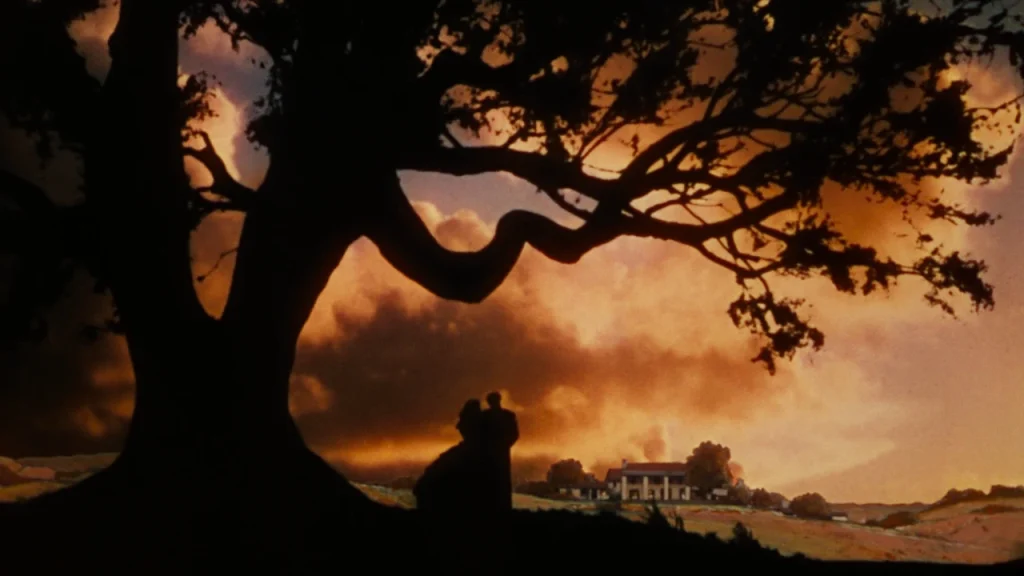
Mitchell is particularly successful in her evocation of space. Tara is not merely a plantation; it symbolizes roots, identity, and stubborn attachment. Atlanta, by contrast, represents commerce, movement, and transformation. The opposition between these two spaces reflects the conflict between tradition and modernity.
Moreover, the psychological descriptions are rendered with notable detail, especially in moments of crisis such as Scarlett witnessing the burning of Atlanta or Rhett’s decision to leave her. This depth of psychological analysis ensures that the characters remain fully individualized rather than reduced to mere symbols.
Cultural Influence and Canonical Status
The role of Gone with the Wind in popular culture cannot be overlooked. The novel has been translated into dozens of languages and has sold millions of copies worldwide. The 1939 film adaptation further elevated the figure of Scarlett O’Hara into one of the most famous female characters in cinematic history.
Despite ongoing scholarly debates concerning its portrayal of the South and issues of race, the novel is still regarded as a significant milestone in the development of the American novel. It demonstrates that historical fiction can achieve epic scale while sustaining profound psychological depth at the individual level.
4. Reflections and Evaluation of Gone with the Wind – The Tragedy of Illusion and the Endurance of Will
At its deepest level, Gone with the Wind is not merely a story about a war long past in American history, nor simply a romantic saga between Scarlett O’Hara and Rhett Butler. The novel places human beings in circumstances where all guarantees are stripped away – economic security, social status, and moral structure – thereby revealing the essential nature of each individual. What enables the novel to sustain its enduring appeal is the way it compels readers to confront difficult choices: when the familiar world collapses, what will a person cling to?
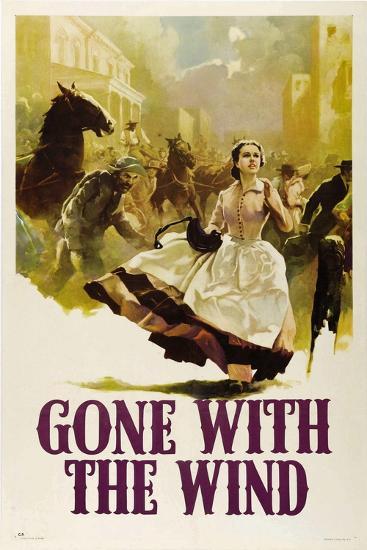
Scarlett O’Hara – A Controversial Yet Irrefutable Character
Within the trajectory of twentieth century literature, Scarlett O’Hara stands as a distinctive female character. She is not constructed to be loved in a conventional sense. Scarlett is selfish, at times ruthless, and frequently places personal interest above the emotions of others. She marries for money, manipulates affection, and disregards social opinion. Yet it is precisely this complexity that constitutes her modern value.
Scarlett represents the pure instinct for survival. When war strips away the protection of family and aristocratic class, she does not sink into nostalgia. She acts. She works in the fields, manages businesses, and accepts the breaking of traditional feminine norms in order to protect Tara and her family. In this respect, Scarlett is not a symbol of morality, but a symbol of willpower.
However, material success does not equate to emotional maturity. Scarlett devotes much of her life to pursuing an illusion named Ashley Wilkes. Ashley is not merely a man; he is a symbol of the old South – elegant, idealized, and incapable of adapting to new realities. Scarlett’s realization that she never truly loved Ashley, but rather loved the image of the past that he represented, marks a significant psychological development. Yet this awakening comes too late.
At this point, Gone with the Wind reveals a profound paradox: human beings may learn how to survive, but they do not always learn in time how to love correctly.
Rhett Butler – Realism, Self-Respect, and the Limits of Love
If Scarlett embodies the instinct for survival, Rhett Butler embodies lucid awareness of historical change. He understands that the decline of the South is inevitable and refuses to be swept away by hollow heroism. For that reason, he is both scorned by society and in possession of an intellectual freedom others lack.
Rhett’s love for Scarlett is not blind adoration. He loves her because he recognizes her strength and authenticity. Yet that love gradually erodes when he realizes he stands perpetually behind another illusion. His decision to leave Scarlett is not merely an emotional reaction, but an affirmation of self-respect.
Through the relationship between these two characters, the novel poses a subtle question: can love endure without mutual understanding and simultaneous emotional growth? Their collapse does not arise from a lack of passion, but from a misalignment in perception and timing.
The Tragedy of a Transitional Era
One of the striking impressions when reading Gone with the Wind is the sense of collective loss. Grand balls, prosperous plantations, and rigid systems of etiquette are gradually swept away. Yet the novel does not wholly romanticize the old South. Through unfolding events, readers recognize that the economic foundation of that world rested upon a deeply unequal structure.
The transition from an aristocratic agrarian society to a pragmatic commercial one generates conflicts of value. Characters such as Ashley represent the past – noble yet no longer viable. Scarlett and Rhett, despite their differences, belong to the future – a world in which money, adaptability, and realism determine social position.
From this perspective, Gone with the Wind can be read as a study of painful modernization. Each character embodies a different response to upheaval: some remain obstinate, some cling to nostalgia, some adapt, and some are crushed.
Emotional Value and Existential Depth
What enables the novel to transcend time is not only its epic scale, but its capacity to engage universal concerns. The fear of poverty, the desire to be loved, and the crisis of identity amid social change are profoundly human experiences.
The line “Tomorrow is another day” is not a simple expression of optimism. It signifies a refusal to surrender. In a context where everything has been lost, faith in tomorrow becomes the final act of resistance by the individual against the current of history.
5. Memorable Quotations from Gone with the Wind – When Words Become Declarations of Will and Tragedy
One of the elements that contributes to the enduring vitality of Gone with the Wind is its system of highly symbolic dialogue. Under the pen of Margaret Mitchell, the characters’ words do not merely serve the progression of the plot; they condense ideas and internal conflicts. Many lines from the novel have transcended the boundaries of the text itself, becoming classic quotations of twentieth century literature and cinema.
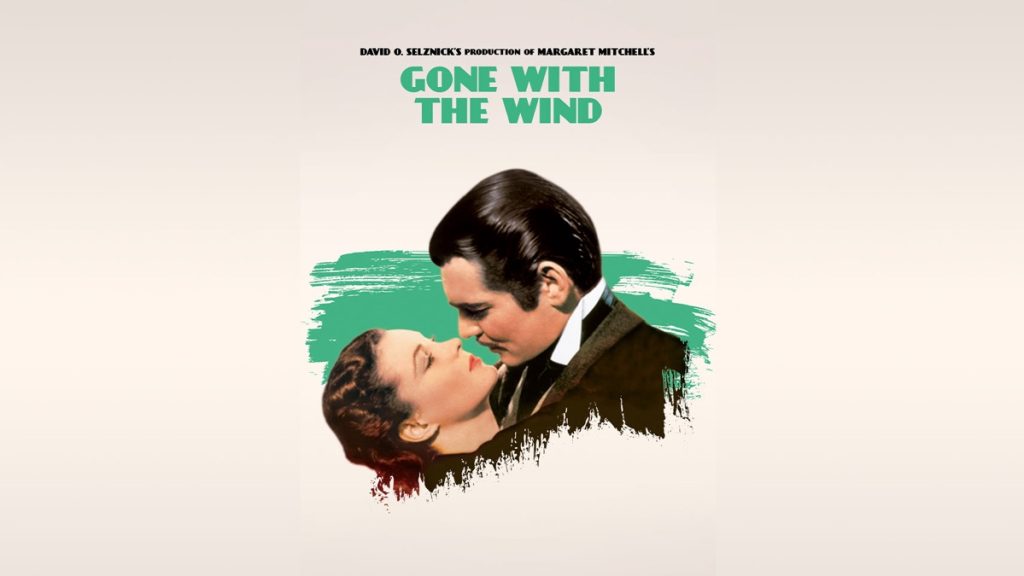
The following statements are impressive not only because of their language, but because they mark crucial psychological turning points and clearly express the central themes of Gone with the Wind: survival, illusion, love, and self respect.
1. “As God is my witness, I’ll never be hungry again.”
This is Scarlett’s oath as she stands in the devastated fields of Tara after the war. That moment marks a fundamental transformation of the character – from a young lady accustomed to luxury into a woman who places survival above all other values.
The line does not merely express fear of hunger; it signifies the formation of a life principle: never allowing circumstances to dictate one’s fate. From this point onward, all of Scarlett’s controversial actions can be traced back to this vow.
2. “After all, tomorrow is another day.”
This sentence concludes the novel, after Rhett leaves Scarlett. Instead of collapsing into despair, she turns toward tomorrow.
The meaning of the line lies not in naive optimism, but in the capacity to postpone spiritual collapse. “Tomorrow” becomes a space of potential reconstruction, just as Tara once served as a site of rebirth after the war. This is the core philosophy of the work: no matter the extent of loss, human beings retain the right to believe in the possibility of beginning again.
3. “Frankly, my dear, I don’t give a damn.”
This is Rhett Butler’s famous line when he walks away from his marriage with Scarlett. Although widely popularized through the film adaptation, the spirit of this statement is already present in the original novel.
It is not merely a cold farewell, but the conclusion of a relationship prolonged by misunderstanding and emotional misalignment. Rhett does not leave because he has ceased to love, but because that love is no longer reciprocated with equal understanding. The line expresses the limit of endurance and the assertion of self respect.
4. “Until you’ve lost your reputation, you never realize what a burden it was.”
This remark reflects Rhett’s attitude toward the artificiality of Southern society. Once social honor is stripped away, an individual may be freed from the pressure of superficial standards.
The statement raises the issue of the relationship between reputation and freedom. In the postwar context, when many old values have collapsed, clinging to “honor” can sometimes intensify psychological burden rather than preserve dignity.
5. “Burdens are for shoulders strong enough to carry them.”
This line conveys a conception of inner strength. Burdens are not distributed randomly; they fall upon those capable of bearing them.
Within the structure of the novel, Scarlett stands as vivid evidence of this idea. She must carry economic responsibility, family obligations, social judgment, and the consequences of her own flawed choices. Despite criticism, she remains the only person strong enough to ensure the continued existence of Tara.
6. The Enduring Value of Gone with the Wind and the Remaining Question About Humanity in the Face of Historical Upheaval
Bringing to a close the more than decade long journey of turbulence in Scarlett O’Hara’s life, Gone with the Wind does not offer a complete ending in accordance with the traditional romantic model. There is no reunion, no triumph of love over adversity. Instead, there is a pause – a moment in which the protagonist stands amid loss and chooses to continue living. It is precisely this refusal of closure that creates the distinctive depth of the work.

From a historical perspective, the novel serves as a literary record of the collapse of a social order. The aristocratic South, with its prosperous plantations, rigid codes of honor, and belief in the permanence of the old system, was swept away by war. Yet the work does not stop at nostalgia. It demonstrates that history does not only destroy – history also restructures. Those individuals who know how to adapt will survive, even if the price is the abandonment of illusion.
From a humanistic perspective, Gone with the Wind is a story of belated maturity. Scarlett learns how to work, how to earn money, and how to protect her family. However, she is slow to recognize the value of sincere love. Her greatest loss is not property or status, but the misalignment between awareness and timing. When she understands whom she truly loves, that person has already chosen to leave.
Conversely, Rhett Butler represents lucidity and personal self respect. He is not blinded by history, yet in the end he is still wounded because he loves someone who is not ready to confront the truth. Their separation is not merely an emotional failure, but the inevitable consequence of years of misunderstanding and emotional postponement.
The enduring value of Gone with the Wind lies in its ability to place human beings in a boundary situation – when all familiar protective structures collapse. In such circumstances, what defines individual identity? Social honor? Love? Or the capacity for survival? The work does not impose an answer, but allows the characters to reveal it through their choices.
Scarlett’s return to Tara in the final section is not only symbolic of origin, but also affirms a principle of living: the possibility of reconstruction always exists, even when the past has been swept away. The line “After all, tomorrow is another day” does not erase tragedy, but opens a perspective – one in which human beings may continue to act rather than surrender.
Nearly a century after its publication, Gone with the Wind maintains a distinctive position in world literature. The novel is read not only as a historical narrative or a tragic romance, but as a profound examination of will and the cost of choice. It reminds us that history is always in motion, and that each individual must determine how to stand firm within its current.
And the remaining question, after closing the final page, is not only for Scarlett: when our own “Tara” is tested – when belief, position, or illusion is swept away – will we stubbornly cling to the past, or possess sufficient courage to build a different tomorrow for ourselves?